Compliance

Read our compliance blogs for guidance on staying compliant with IRS guidelines for nonprofits and how to maintain tax-exempt status

Understanding the private foundation 5% payout requirement goes beyond simply distributing 5% of assets each year. This guide explains how to calculate the minimum distribution requirement, identify qualifying distributions, avoid common compliance mistakes, and prepare for Form 990-PF reporting.

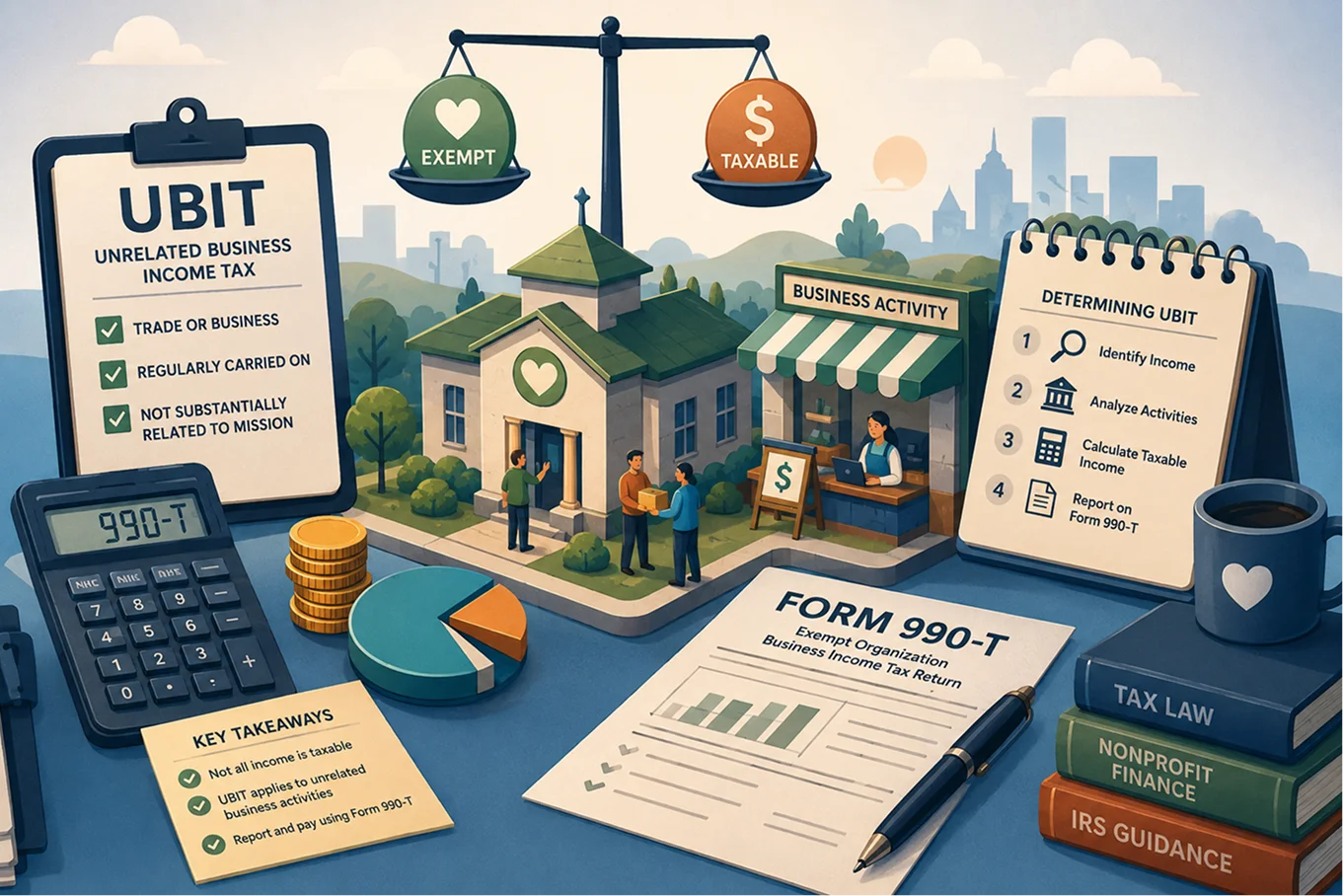
What is UBIT for nonprofits, and when does unrelated business income become taxable? Learn how unrelated business taxable income (UBTI) works, what activities trigger UBIT, when Form 990-T is required, and how nonprofit finance teams can strengthen compliance.

For nonprofits where chapter activity is reported under the parent organization's EIN, a chapter filing its own Form 990 creates duplicate reporting, compliance confusion, and internal control gaps. Learn what finance teams should understand about single-EIN structures and how to prevent unauthorized chapter filings before they become bigger problems.

Understand how 990 Schedule R applies to associations and multi-chapter nonprofits. Learn which related organizations you may need to report, common compliance pitfalls, and how stronger financial visibility simplifies Form 990 preparation.

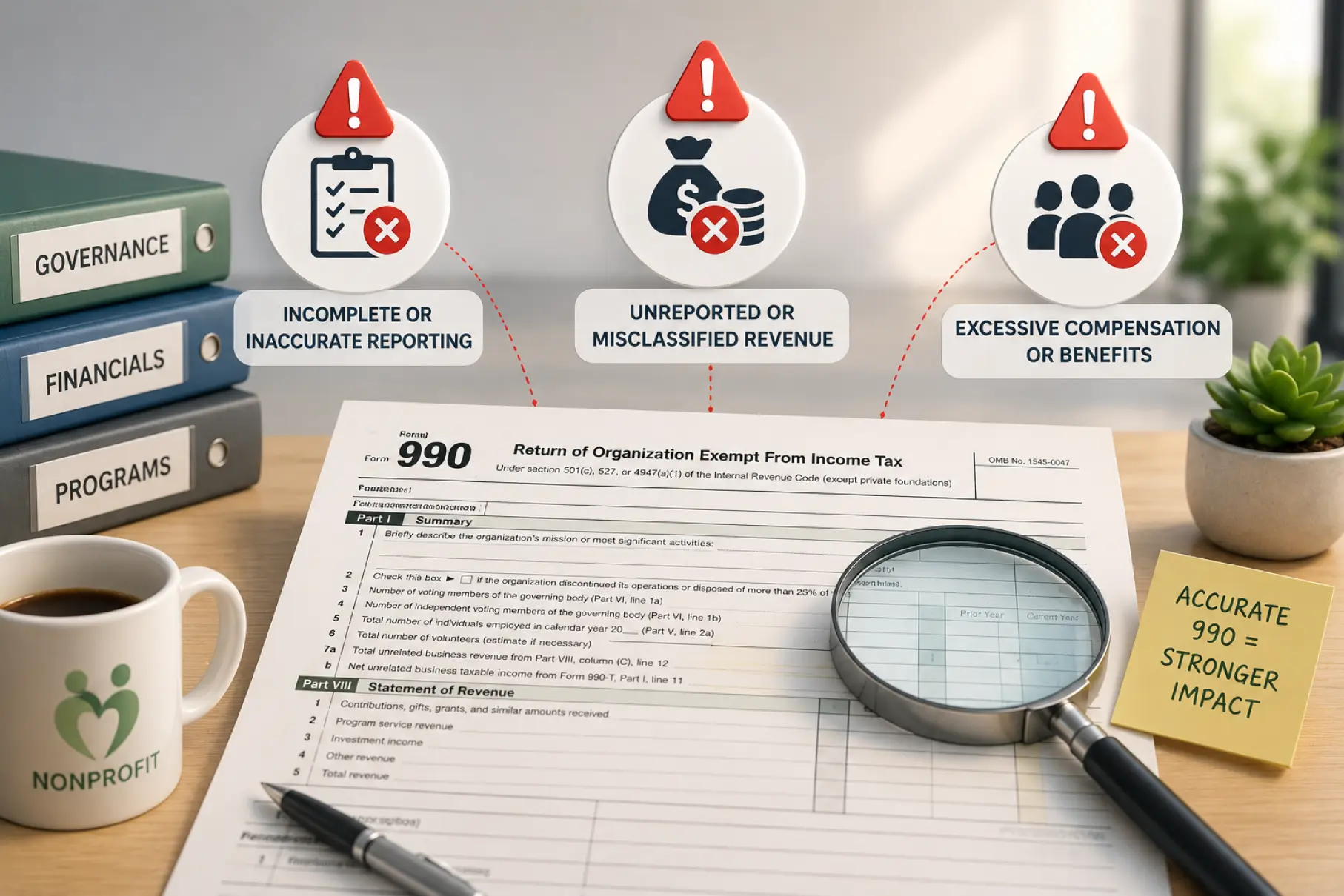
Many IRS 990 mistakes stem from inconsistent reporting across chapters, affiliates, governance records, and related entities. Learn the three most common Form 990 red flags that attract IRS scrutiny and how nonprofit finance leaders can reduce risk before filing season.

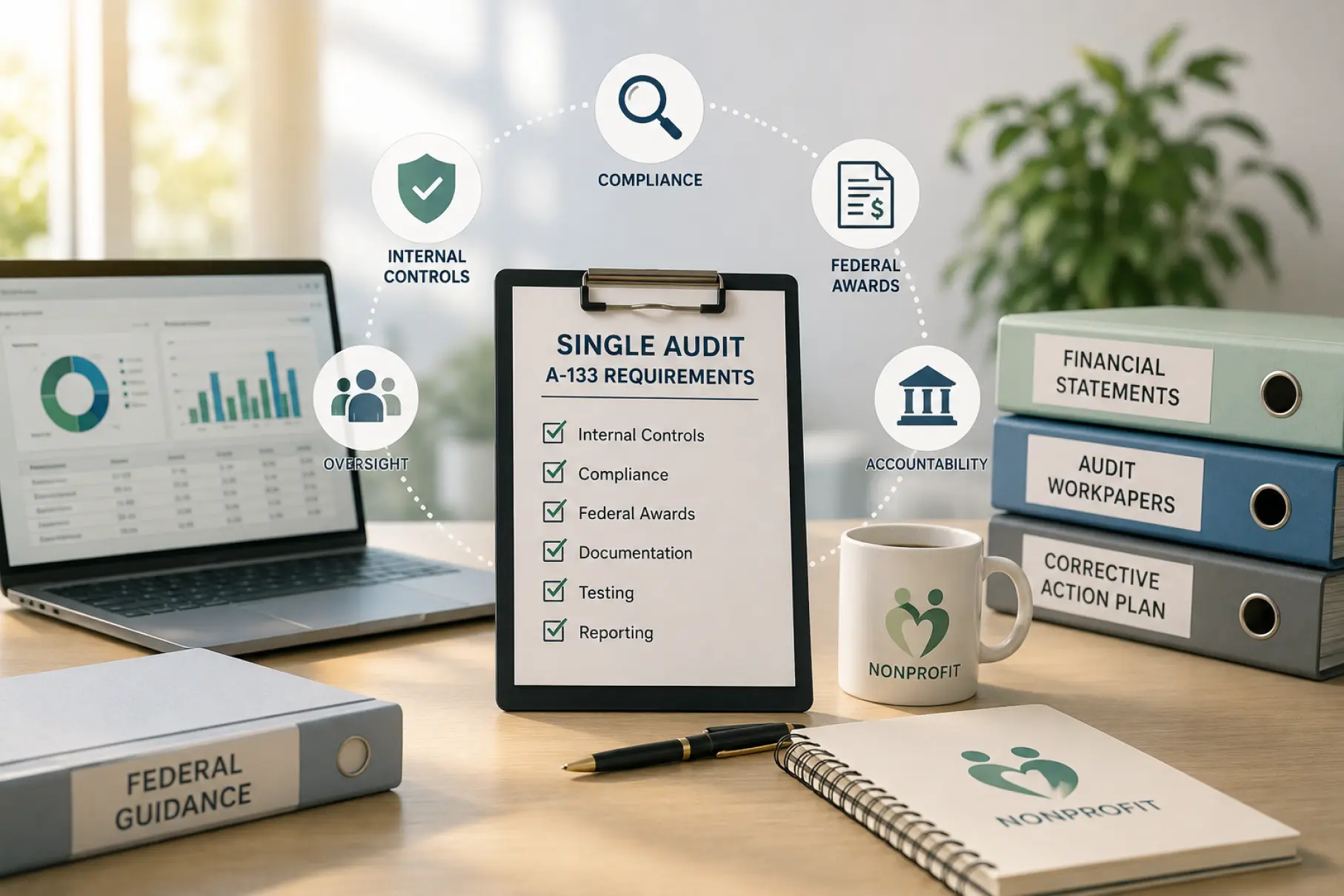
Preparing for a nonprofit Single Audit A-133 starts long before auditors arrive. Learn who must comply, how federal expenditures are calculated, what documentation auditors request, and how to build an audit-ready process that reduces year-end stress.

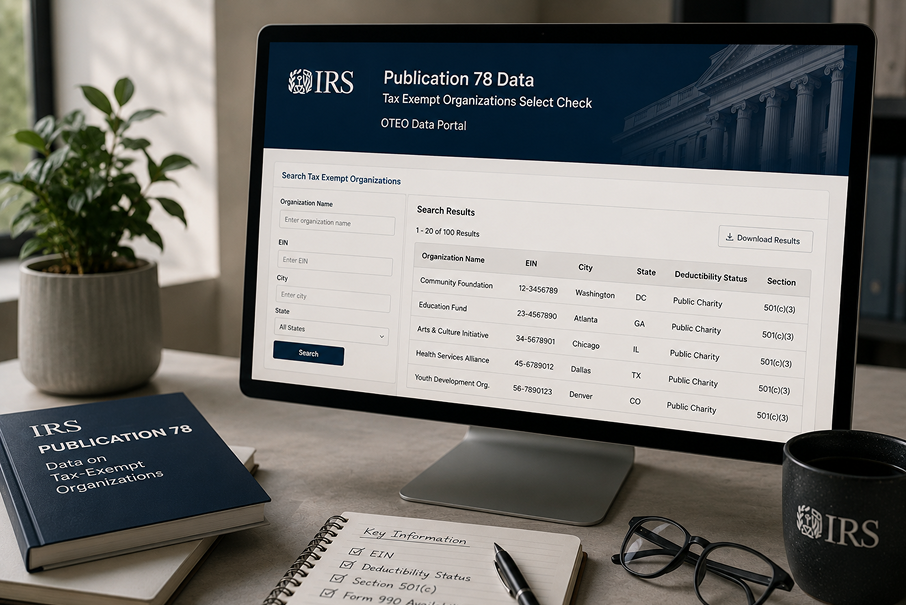
Publication 78 was once the IRS’s printed list of organizations eligible to receive tax-deductible charitable contributions. Today, donors and nonprofit teams use the IRS Tax Exempt Organization Search tool to verify deductibility status, revocation history, and filing records before making financial decisions.

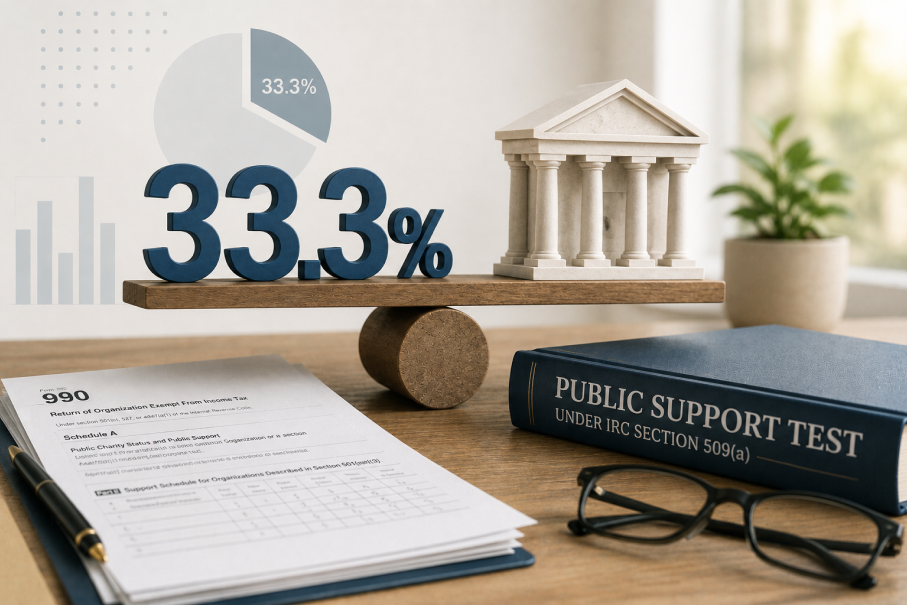
The nonprofit public support test determines whether an organization qualifies as a public charity or risks classification as a private foundation. This guide explains the IRS 33⅓% rule, Form 990 Schedule A calculations, donor limits, unusual grants, and what happens if support thresholds are not met.

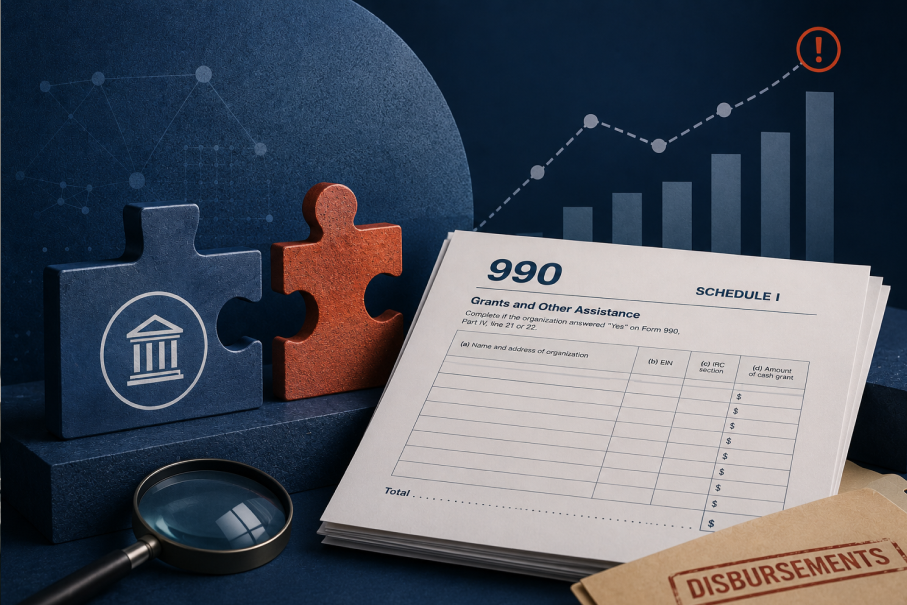
This guide explains why Schedule I reporting gaps happen, what records the IRS expects, and how integrated grantmaking and financial infrastructure reduce filing risk before audit season begins.

Private foundation excise tax scholarships fall under IRC §4945, and the penalties are personal. This guide covers the seven compliance areas the IRS scrutinizes most, the documentation gaps that create retroactive exposure, and the operational fix that keeps foundations audit-ready.