Associations

AMS platforms already manage dues, disbursements, and chapter finances, but most stop short of delivering a real banking experience for their clients. This guide breaks down how AMS vendors can add banking accounts, expense cards, and automated disbursements through a compliant embedded finance partnership, no bank charter required.

Most banks weren't built for associations, and the gap shows fast when you're managing chapters, restricted funds, and board approvals. This guide breaks down what to look for, which options fall short, and why purpose-built platforms like Crowded are worth a serious look.

Every association needs a nonprofit EIN before it can open a bank account, collect dues, or file taxes, but for multi-chapter and organizations, the structure of that EIN can make or break your compliance. This guide covers IRS approval, chapter EIN strategy, and what associations need to get right from the start.

Most chapter-based nonprofits can produce a fund balance report. Far fewer can prove the controls behind it. Here's why the difference starts at the banking layer.

Trade and professional associations face unique financial challenges. Learn the five most common financial pitfalls, from overreliance on dues to compliance gaps, and the practical strategies leaders can use to build stronger, more sustainable financial operations.

Managing finances across a national association requires more than generic accounting tools. This guide breaks down the top nonprofit financial management software platforms built for multi-chapter oversight, fund compliance, and audit readiness in 2026.

Capacity building fails when the financial systems beneath it are improvised. This guide explores why multi-chapter associations must invest in standardized chapter-level finance, and how the right infrastructure reduces governance risk, supports volunteer leadership, and enables scalable, confident growth.

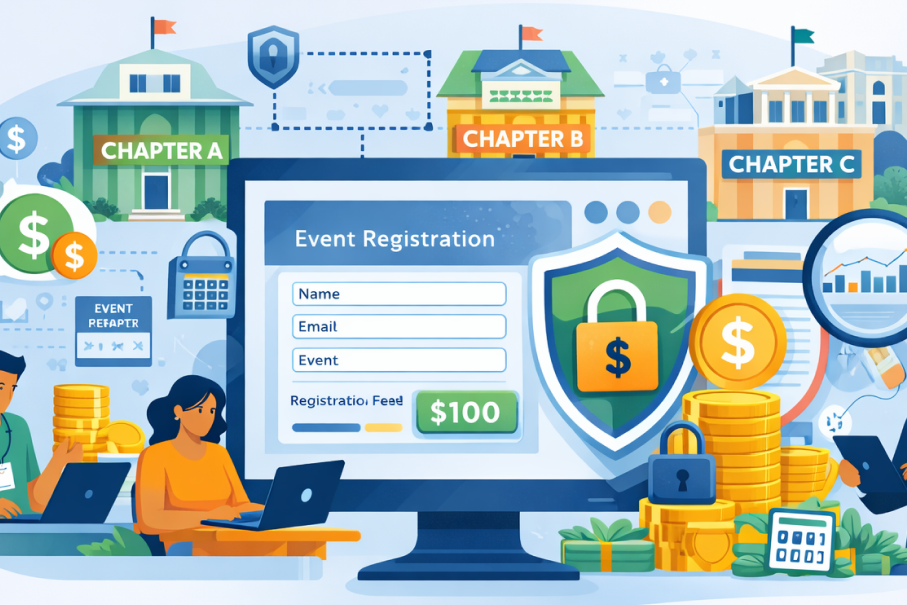
Event registration software manages signups, but not financial control. Learn how multi-chapter associations centralize event payments to prevent revenue leakage, improve oversight, and protect funds across every chapter.

Discover why many national organizations unknowingly have multiple IRS determination letters and how Rev. Proc. 2026-8 changes the compliance landscape. Learn how finance and legal teams can identify historical group exemption letters, assess potential risks, and prepare for future compliance reviews.

Understand what Rev. Proc. 2026-8 subordinate organizations mean for nonprofit chapters, affiliates, and local associations covered by an IRS group exemption. Learn the compliance risks, key requirements, and practical steps chapters can take to protect their tax-exempt status while supporting headquarters.