All Blogs
- Date:
- Read time: 4 min
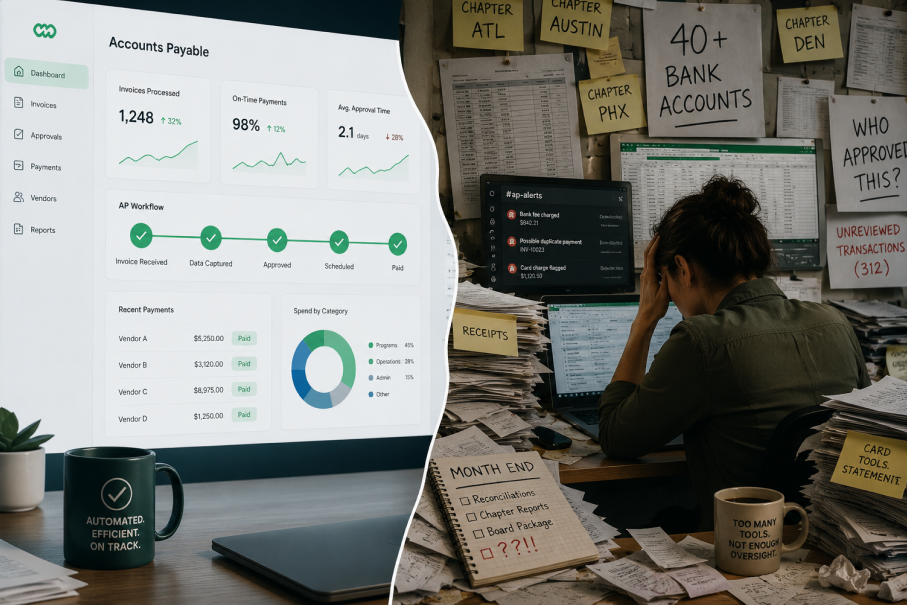
Learn where BILL.com helps nonprofits automate AP, and where banking visibility, grant controls, and spend oversight still require purpose-built financial infrastructure.
- Date:
- Read time: 4 min
Fractional CFO nonprofit banking is about far more than opening an account. This guide breaks down how CFOs evaluate nonprofit banking platforms for audit readiness, grant controls, board reporting, integrations, and multi-entity oversight, and why outdated banking structures quietly create financial risk as nonprofits scale.
- Date:
- Read time: 4 min
Many nonprofits assume donor CRMs provide complete financial visibility because they centralize donor activity, fundraising history, and campaign reporting. But donor data visibility and financial oversight are not the same thing, especially once reconciliation, restricted funds, payouts, and multi-system reporting come into play.
- Date:
- Read time: 4 min
Blackbaud Financial Edge NXT offers robust nonprofit accounting and reporting, but chapter-based organizations often face operational gaps beyond the ledger. This guide explores the biggest challenges in Blackbaud Financial Edge chapter operations and how nonprofits use layered infrastructure, such as Crowded, to improve visibility, controls, and coordination across decentralized entities.
- Date:
- Read time: 4 min
Many fundraising platforms advertise “free” pricing, but finance teams often absorb hidden operational costs elsewhere. This guide breaks down fundraising platform fee structures, donor tipping models, processing fees, and payout realities to help nonprofits calculate true net revenue.
- Date:
- Read time: 4 min
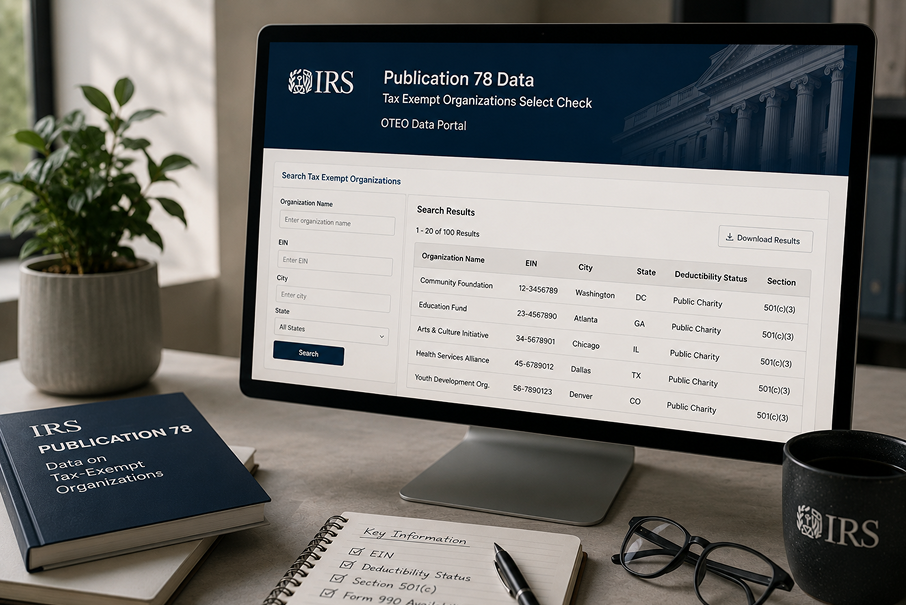
Publication 78 was once the IRS’s printed list of organizations eligible to receive tax-deductible charitable contributions. Today, donors and nonprofit teams use the IRS Tax Exempt Organization Search tool to verify deductibility status, revocation history, and filing records before making financial decisions.
- Date:
- Read time: 4 min
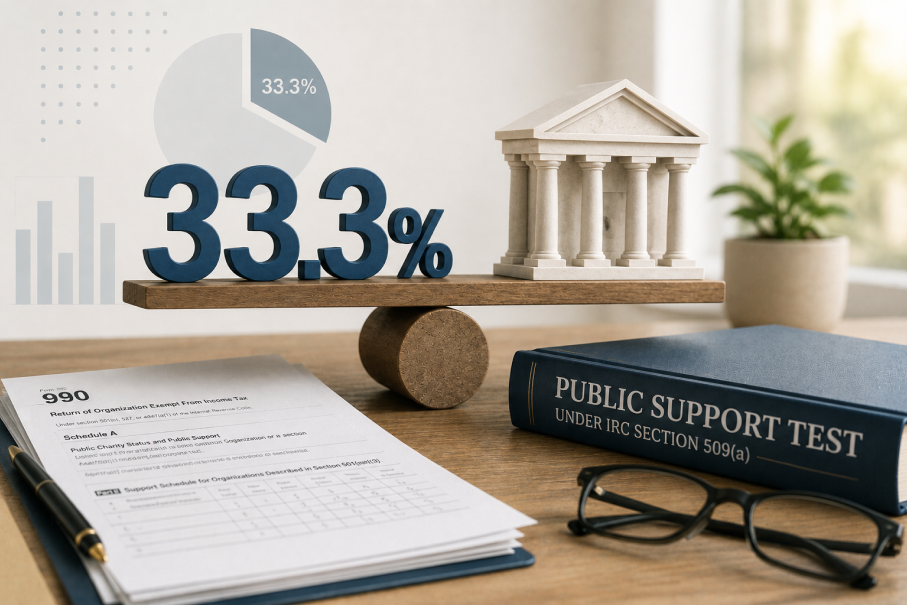
The nonprofit public support test determines whether an organization qualifies as a public charity or risks classification as a private foundation. This guide explains the IRS 33⅓% rule, Form 990 Schedule A calculations, donor limits, unusual grants, and what happens if support thresholds are not met.
- Date:
- Read time: 4 min
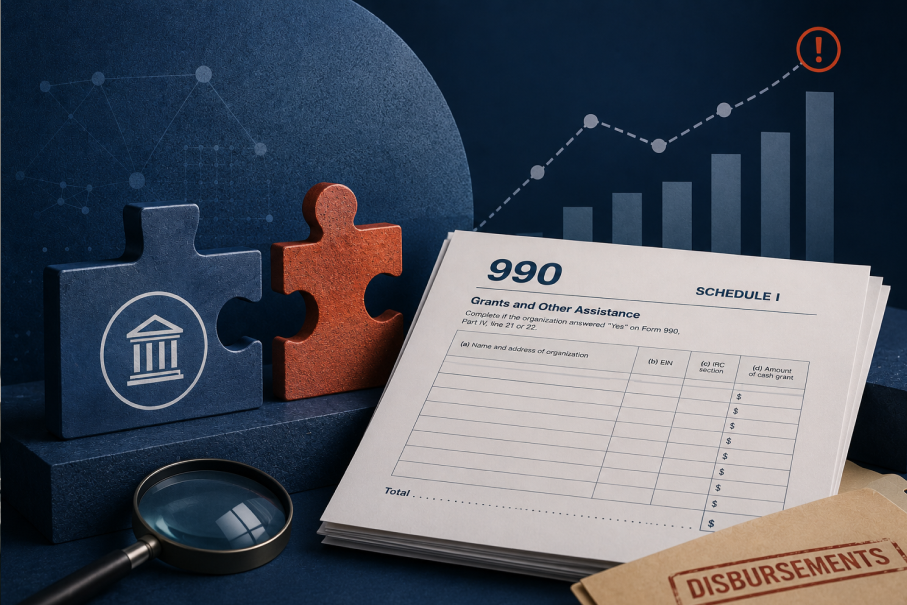
This guide explains why Schedule I reporting gaps happen, what records the IRS expects, and how integrated grantmaking and financial infrastructure reduce filing risk before audit season begins.
- Date:
- Read time: 4 min
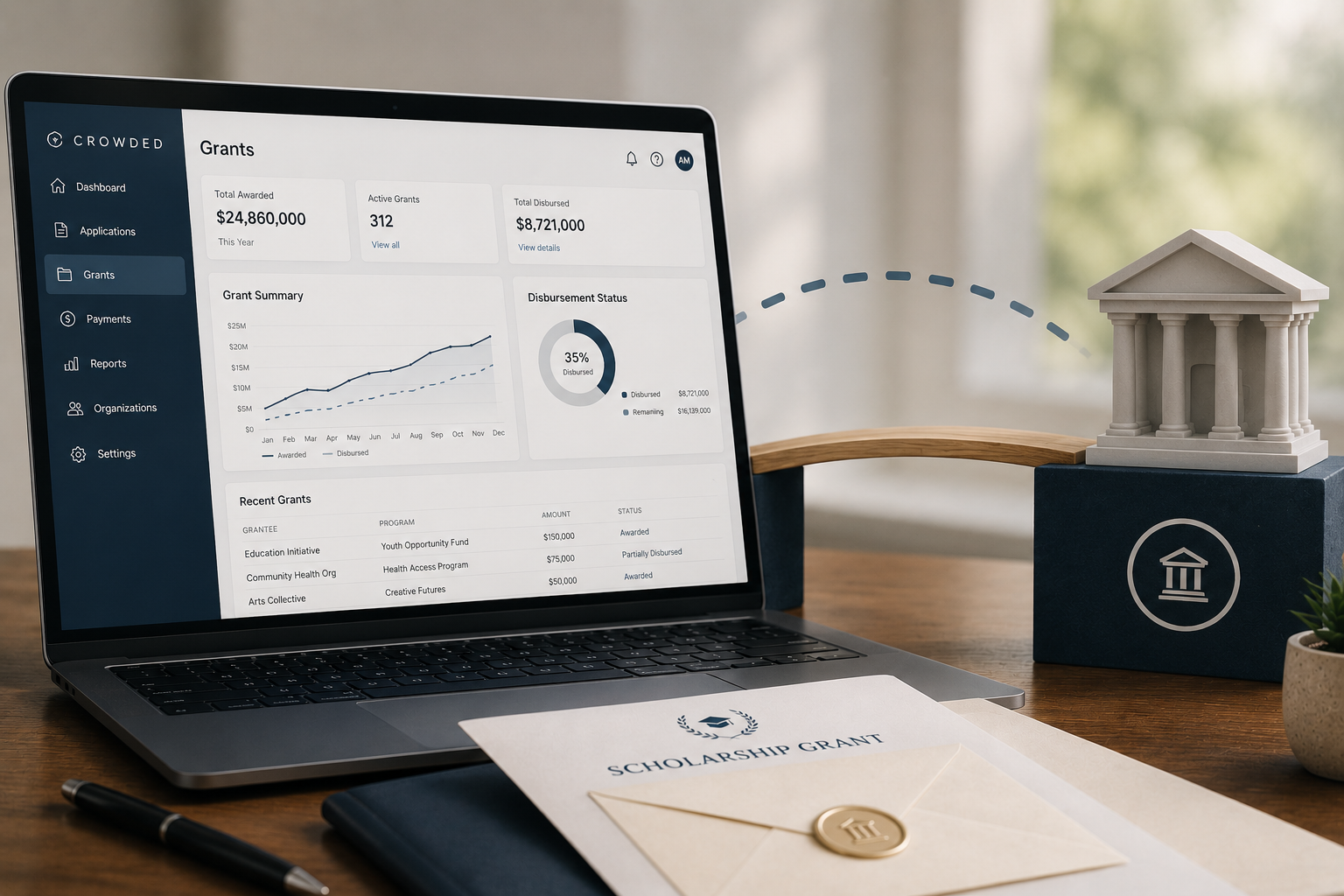
Approval is only one part of the grant lifecycle. The larger operational risk often arises when funds need to be moved, tracked, reconciled, and closed out.
- Date:
- Read time: 4 min
Private foundation excise tax scholarships fall under IRC §4945, and the penalties are personal. This guide covers the seven compliance areas the IRS scrutinizes most, the documentation gaps that create retroactive exposure, and the operational fix that keeps foundations audit-ready.